

Imagine an AI that can watch a video, listen to the sounds, read the captions, and understand everything happening, just like a human. That’s not science fiction anymore; it’s the future we’re living in today, powered by Multimodal AI.
From OpenAI’s GPT-4o to Google’s Gemini and Meta’s LLaMA 3, the next generation of artificial intelligence is learning to see, hear, and read all at once, unlocking a new level of understanding that changes how machines interact with the world.
In this article, we’ll break down what Multimodal AI really is, why it matters, and how it’s transforming industries faster than you think.
What Is Multimodal AI?
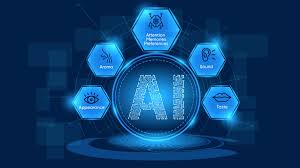
Multimodal AI refers to artificial intelligence systems capable of processing and understanding multiple types of data (modalities) such as text, images, audio, and video, simultaneously.
In simple terms, traditional AI models could only understand one form of input at a time (like text-based chatbots). But multimodal systems combine different sensory inputs to create a unified understanding of context similar to how humans use both sight and sound to make sense of the world.
For example:
- You show an AI a photo of a cat.
- It sees the image, hears you say “cute cat,” and reads your caption, “My pet Luna sleeping.”
- It connects all that data to understand the situation, emotion, and meaning — not just the picture itself.
How Does Multimodal AI Work?
At the core of multimodal AI are transformer-based architectures that align and fuse data from different sources into a single representation.
Here’s a simplified breakdown:
- Data Encoding: Each type of data (text, image, sound, video) is converted into vectors, numerical forms the AI can process.
- Feature Fusion: The AI model combines these vectors to understand relationships between them.
- Cross-Modal Understanding: It analyzes how modalities influence each other, for example, matching speech tone with facial expressions in a video.
- Output Generation: Finally, it generates text, sound, or visual output based on what it “understands.”
This approach allows AI to perform tasks like describing images, answering questions about videos, summarizing podcasts, or even generating videos from written prompts.
Real-World Applications of Multimodal AI
1. Healthcare Diagnostics
Multimodal AI can analyze X-rays, CT scans, and patient notes together, helping doctors detect diseases earlier and with greater accuracy.
2. Content Creation & Marketing
AI tools can now see your video, listen to your script, and generate captions or summaries automatically. Platforms like Runway, Synthesia, and Pika Labs already use multimodal systems to create realistic video content in seconds.
3. Education
Imagine a digital tutor that watches a student’s facial expressions, listens to their tone, and reads their answers, instantly adjusting teaching style to match their mood and understanding level.
4. Security & Surveillance
AI-powered systems can combine facial recognition, voice analysis, and context detection to spot threats more intelligently than traditional camera systems.
5. Customer Support & Assistants
Multimodal chatbots can handle visual product demos, interpret voice commands, and even detect frustration in tone — giving customers a more human-like support experience.
Top Multimodal AI Models in 2025
Here are some of the leading multimodal models pushing boundaries today:
- GPT-4o (OpenAI): Combines text, image, and audio understanding in real-time.
- Gemini 1.5 (Google DeepMind): Designed to process videos, audio, and documents natively.
- Claude 3.5 (Anthropic): Strong at visual reasoning and text interpretation.
- LLaMA 3 (Meta): Open-source multimodal foundation model.
- Mistral Next: Optimized for lightweight yet powerful multimodal deployment.
Why Multimodal AI Matters
Multimodal AI isn’t just about better technology, it’s about creating machines that understand humans on a deeper level.
By combining sight, sound, and language, AI can interpret context, emotion, and intent, things traditional systems often miss.
It’s the bridge between artificial intelligence and true artificial understanding.
The Future of Multimodal AI
Over the next few years, we’ll see AI evolve from passive tools into interactive companions that can collaborate visually and verbally in real-time.
Picture this:
- You talk to your computer.
- It watches your screen, listens to your tone, reads your notes, and instantly helps you edit, design, or create.
That’s the future Multimodal AI is building, a world where technology doesn’t just compute, but comprehends.
Final Thoughts
Multimodal AI marks a new era, where machines don’t just process data but understand the world around them. Whether you’re a creator, business owner, or developer, this shift opens doors to more natural, intelligent, and human-like interactions.
We’re standing at the start of a transformation that will reshape how we work, learn, and communicate, forever.
Have any thoughts?
Share your reaction or leave a quick response — we’d love to hear what you think!
-
 0
0 - 0
- 0
- 0
- 0
- 0


